WSIB Certified
Active Workplace Safety and Insurance Board coverage for every trade on site.

Licensed, WSIB-certified, and $2M liability insured. One team handles design, cabinetry coordination, permits, plumbing, electrical, and finishing — under one fixed-price contract with a dedicated project manager from consultation to handover. For the full service overview and gallery, visit kitchen renovations Toronto.
50+ Projects · 4.9-Star Google Rating · WSIB Certified · $2M Liability Insurance · Dedicated Project Manager
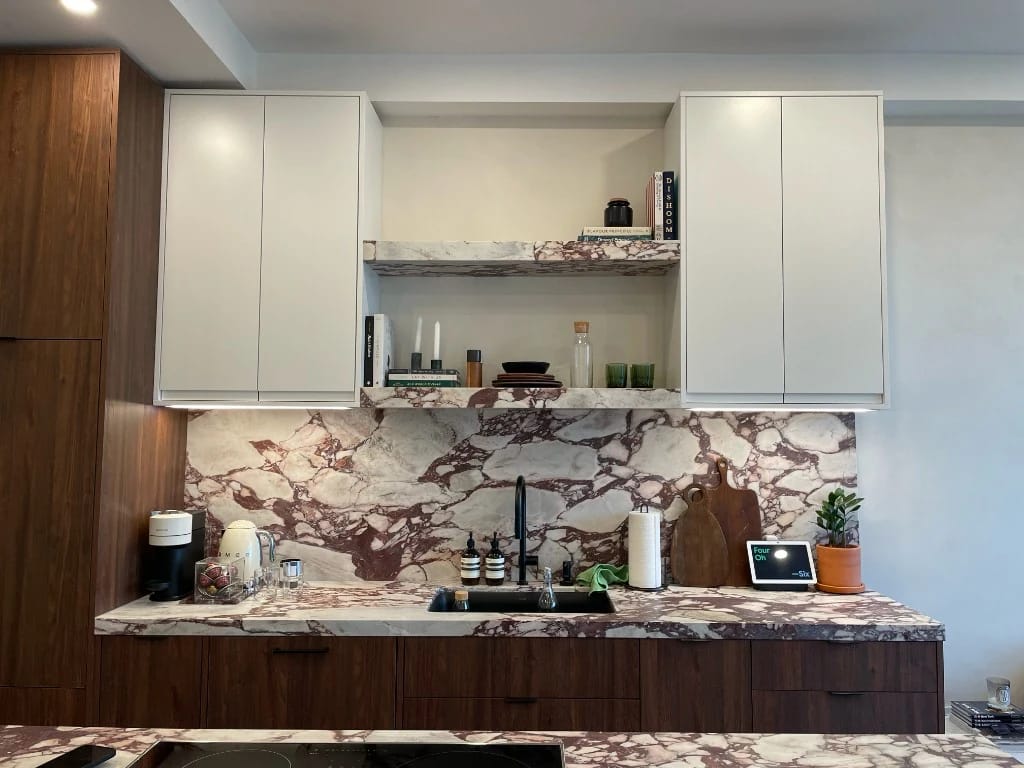
When you plan a full kitchen renovation in Toronto, you need one accountable team — not a patchwork of hourly trades. Here is what we own end to end.
We translate your goals into a buildable scope: layout, cabinetry selection (stock, semi-custom, or fully custom), countertop material, appliance integration, and lighting. You see the plan and pricing before construction starts.
We file permits with the City of Toronto when required and coordinate inspections through completion. Older homes in Forest Hill and Rosedale often require electrical service upgrades to handle modern kitchen loads — we document these as line items.
We coordinate cabinetmakers, plumbers, electricians, tile setters, finish carpenters, and appliance installers under one project manager. You have one phone number, one accountable team, and one schedule. Meet your project manager and the rest of our team on the About page.
We document warranty coverage on cabinetry, countertops, and our workmanship, and hand over operating manuals for every appliance and fixture before you take possession. See our construction warranty.
Toronto kitchen work demands proper coverage and licensed trades — especially in established neighbourhoods where inspections and insurance matter.
Active Workplace Safety and Insurance Board coverage for every trade on site.
Comprehensive general liability that protects your home during the renovation.
Plumbing, electrical, and gas work performed by Ontario-licensed trades only.
We apply, schedule inspections, and close out permits on your behalf.
Written scope and price before demolition. Change orders only with your written approval.
One person owns your kitchen project from consultation to handover.
Full kitchen remodels need design-build accountability, permits when required, and coordinated trades — not hourly patchwork. For line-by-line context before you sign, see the kitchen renovation cost breakdown; for scope and portfolio, visit our primary kitchen renovations page.
| Criterion | Maserat Developments | Trade-only contractor | Handyman |
|---|---|---|---|
| Single point of accountability | Limited | — | |
| WSIB certified for full project | Their trade | — | |
| $2M liability insurance | Varies | — | |
| Permits filed and managed | Owner files | Usually no permit | |
| Coordinates cabinetry, plumbing, electrical, tile | One trade | Limited | |
| Cabinetry order and lead-time management | Often outsourced | — | |
| Fixed-price contract before work | Often hourly or T&M | Hourly | |
| Documented warranty | Trade warranty only | Often none | |
| Suitable for full kitchen renovation | Partial scope | Cosmetic only |
The same four-step sequence we use on our primary kitchen renovations page — documented before work starts. Review full kitchen pricing tiers on our cost page so material allocations match your scope before demolition.
Week 0
In-home visit, scope discussion, photos, measurements. No cost, no obligation.
Weeks 1–3
We produce a detailed scope, layout drawings, cabinetry and material allocations, and a line-item fixed-price quote. Cabinetry lead times confirmed at this stage.
Weeks 4–10
Milestone-based payments. Daily site cleanliness. Weekly progress updates from your project manager. Change orders documented in writing.
Final week
Final walkthrough, punch list, warranty documentation, and operating manuals for cabinetry, countertops, and appliances.
A sample of completed kitchens — each tile opens our filtered kitchen portfolio.
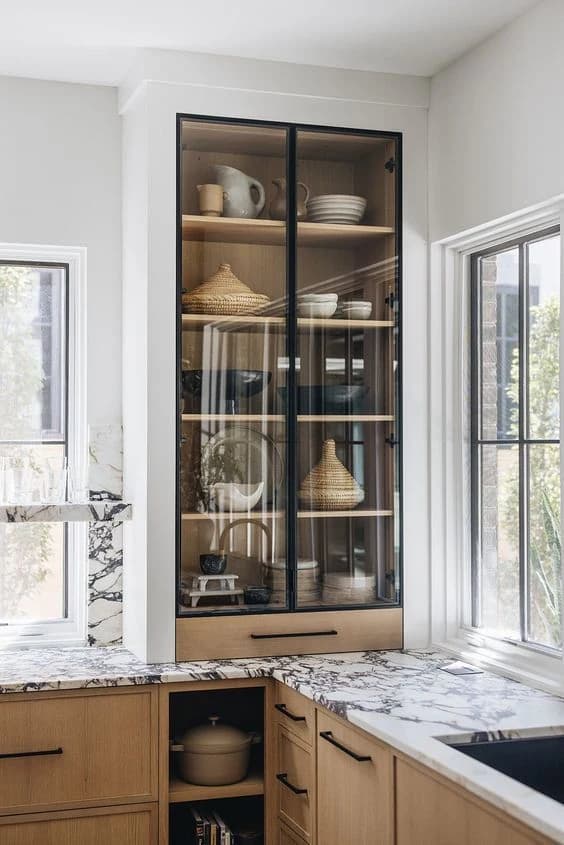
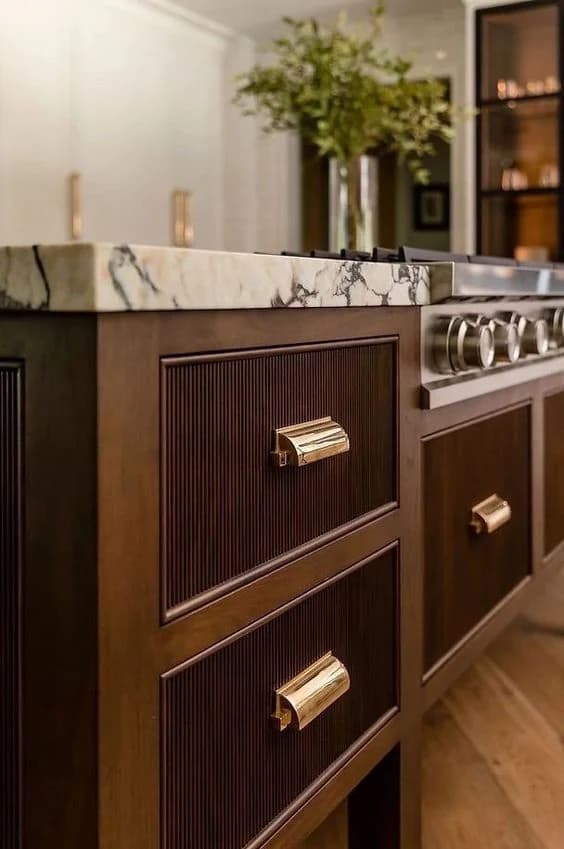
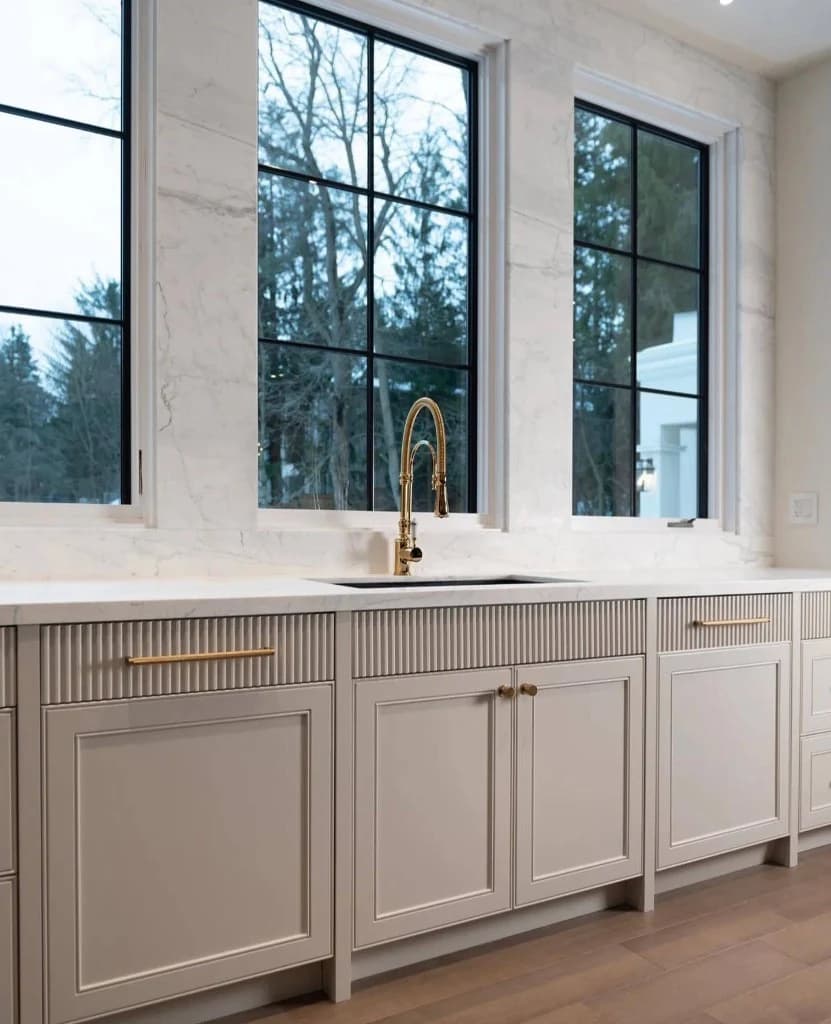

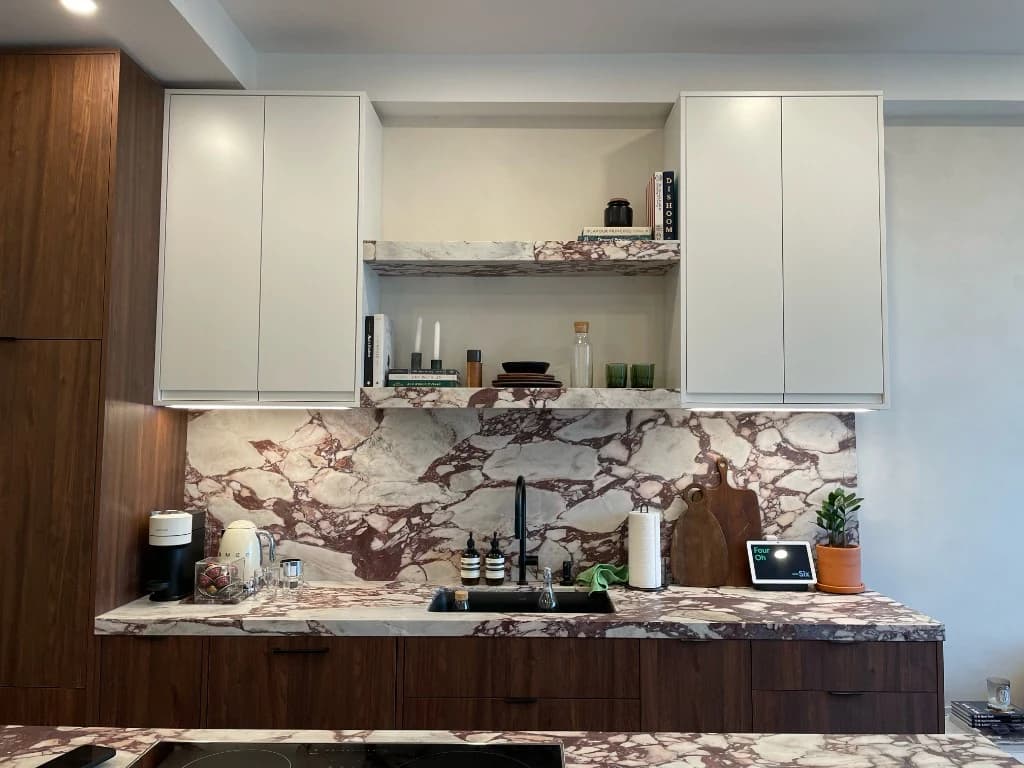

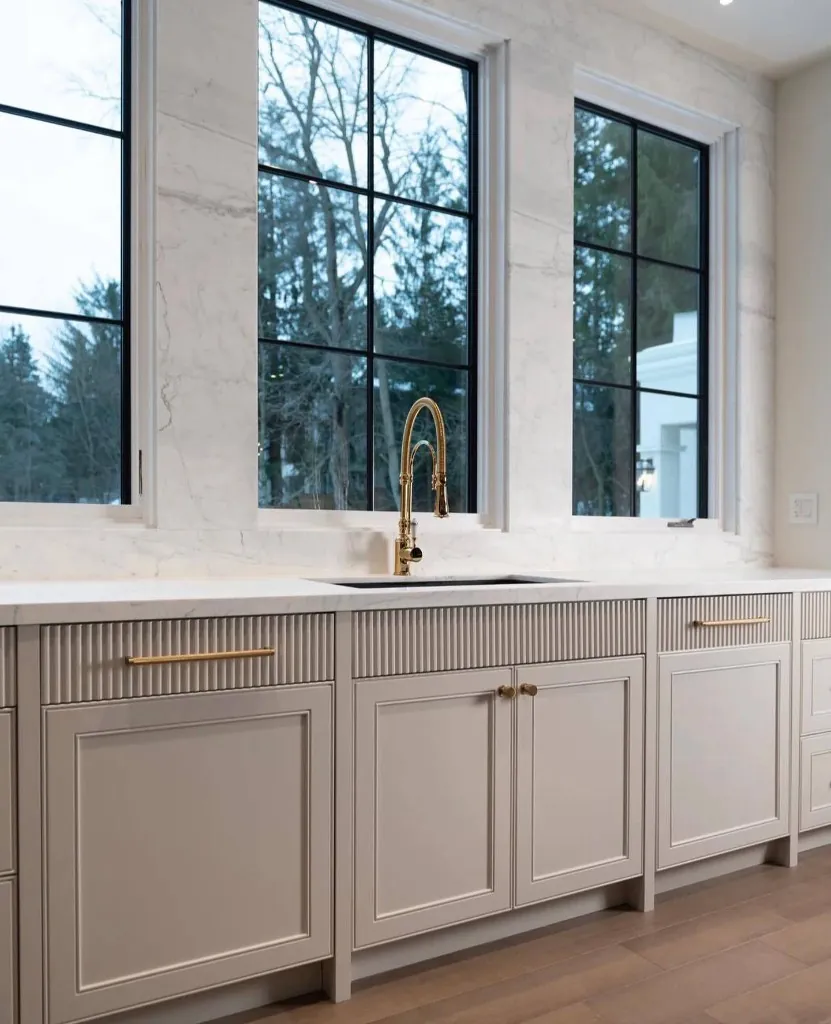


Luxury kitchens designed for Toronto's most established neighbourhoods — from heritage Victorians in Rosedale to modern builds in Midtown.
View all service areas →Heritage kitchens & modern custom builds
View projectsVictorian-era homes & full gut renovations
View projectsClassic family homes & open-concept remodels
View projectsPre-war semis & contemporary transformations
View projectsCentury homes & heritage-sensitive upgrades
View projectsLuxury condos & high-end unit renovations
View projectsGrand residences & period-appropriate updates
View projectsEdwardian charm meets modern functionality
View projectsEstablished family homes & full renovations
View projectsDetached homes & kitchen-dining expansions
View projectsRavine-lot homes & premium finishes
View projectsModern infills & boutique renovations
View projectsRecent feedback from kitchen projects — same team you get on your contract.

We hired Maserat Developments to complete a kitchen remodel of our home in Rosedale, Toronto. They stuck to the budget. No surprise costs came up, and everything was completed on time.
Our kitchen renovation in Forest Hill was completed on time and within budget. The fixed pricing meant we could plan with confidence, and the quality of the cabinetry is outstanding.

Maserat guided us through every material selection. The team was respectful in our home, kept the site tidy, and our new kitchen looks exactly as we envisioned.
Ready for an in-home scope review? Use the form below — same consultation flow as our main kitchen page.
Free consultation · Fixed-price quote after the visit · No obligation
Your information stays private. See our Privacy Policy.
What happens next
Anna MercerClient Journey Specialist